

 10 mins read
Choosing the right HR career roadmap can shape how you grow, influence people, and contribute to business success. From managing end-to-end HR responsibilities as a Generalist to driving workforce strategy as an HR Business Partner or building strong teams through Talent Acquisition, each path offers different opportunities, skills, and career outcomes. As HR continues to evolve with technology, data, and strategic decision-making, understanding the differences between these roles early can help you make smarter career choices, build future-ready skills, and move confidently toward the HR role that best fits your strengths and goals.
TL;DR
- Primary HR career path options include HR Generalist, HR Business Partner, and Talent Acquisition roles.
- Generalists handle broad HR tasks; HRBPs focus on strategic workforce plans; talent acquisition professionals own hiring and employer brand.
- Modern HR career roadmap success requires tech adoption, data skills, and strong communication.
- Certifications and continuous learning accelerate HR career progression and credibility.
- Map skills to roles, use mentors, and plan both vertical and lateral moves to reach long-term goals.
- Stay adaptable and prioritize data literacy to stand out across any HR career path.
Why Understanding HR Career Paths Matters in 2026
The workplace continues to transform rapidly. Organizations now expect HR professionals to contribute strategically while managing day-to-day operations. By mapping your HR Career Path early, you position yourself for opportunities that align with both market demands and personal aspirations.
Labor market shifts and new HR technology mean roles are changing faster than in previous decades. Knowing where your chosen HR career roadmap is heading helps you focus learning on the right tools and metrics for future roles.
Overview of HR Career Options
Defining the Roles: HR Generalist, HR Business Partner (HRBP), Talent Acquisition
Three primary HR career paths dominate today's landscape. The HR Generalist handles diverse responsibilities across the employee lifecycle. The HR Business Partner operates strategically alongside leadership teams. Talent Acquisition specialists focus exclusively on attracting and hiring top candidates.
Each role contributes uniquely to organizational success. Understanding these differences helps you choose the right HR career roadmap for your strengths and goals.
HR Career Path Comparison
Role | Main Focus | Key Skills | Best Fit |
HR Generalist | Handles daily HR operations, onboarding, policies, compliance, and employee support. | Communication, HRIS, employee relations, problem-solving. | Best for people who want broad HR exposure. |
HRBP | Aligns people strategy with business goals and supports managers with workforce planning. | Business acumen, HR analytics, advising, change management. | Best for people who enjoy strategy and leadership discussions. |
Talent Acquisition | Manages hiring, sourcing, candidate experience, and employer branding. | ATS, sourcing, interviewing, negotiation, recruitment analytics. | Best for people who enjoy hiring and networking. |
The HR Generalist Role on the HR Career Path
Core Responsibilities and Daily Tasks
HR Generalists manage multiple functions simultaneously. Their HR generalist job responsibilities typically include onboarding new employees, administering benefits, handling employee relations, ensuring compliance, and supporting performance management processes.
This variety makes the generalist position ideal for those who enjoy diverse challenges. You'll never face a dull day when your morning involves resolving a workplace conflict and your afternoon focuses on updating company policies.
Many beginners exploring HR roles for freshers discover that generalist positions provide excellent foundational experience.
Key Skills and Competencies
Successful HR Generalists demonstrate strong communication abilities, attention to detail, and problem-solving skills. You'll need comfort with ambiguity since priorities shift frequently. Proficiency in HRIS systems and basic data analysis also supports effectiveness in this HR career roadmap.
Typical Career Progression for HR Generalists
Most professionals begin as HR Coordinators or Assistants before advancing to Generalist roles. With experience, you might progress to Senior Generalist, HR Manager, or transition into specialized functions. Understanding common mistakes that derail early careers helps you navigate this progression smoothly.
Exploring the HR Business Partner (HRBP) Role on the HR Career Path
Strategic Partnership Within Business Units
The HR Business Partner role represents a significant evolution in HR career progression steps. HRBPs work directly with department leaders, translating business objectives into people strategies. Rather than processing transactions, you'll advise executives on workforce planning, organizational design, and change management.
This strategic HR partner definition emphasizes influence over administration. You become a trusted advisor who shapes decisions affecting hundreds or thousands of employees.
Required Skills and Leadership Qualities
Learning how to become an HRBP requires developing business acumen beyond traditional HR expertise. You must understand financial statements, market dynamics, and competitive pressures facing your organization. Strong analytical abilities help you identify workforce trends and recommend data-driven solutions.
The differences between HR generalists and HRBPs center primarily on scope and strategic orientation. While generalists execute processes, HRBPs design them and measure their impact across the business.
Career Advancement and Long-Term Opportunities
Senior HRBP roles often lead to HR Director or Chief Human Resources Officer positions. This HR career roadmap suits professionals who envision themselves shaping organizational strategy rather than managing daily operations.
Talent Acquisition HR Career Path
Talent Acquisition Strategies and Trends in 2026
Talent acquisition has transformed through technology integration. Modern recruiters leverage AI-powered sourcing, predictive analytics, and automated screening to identify qualified candidates efficiently. Exploring the best AI tools for talent acquisition gives you competitive advantages in this specialized HR career roadmap.
Understanding HR recruitment vs talent acquisition distinctions matters here. Recruitment focuses on filling immediate openings, while talent acquisition encompasses employer branding, pipeline development, and long-term workforce planning.
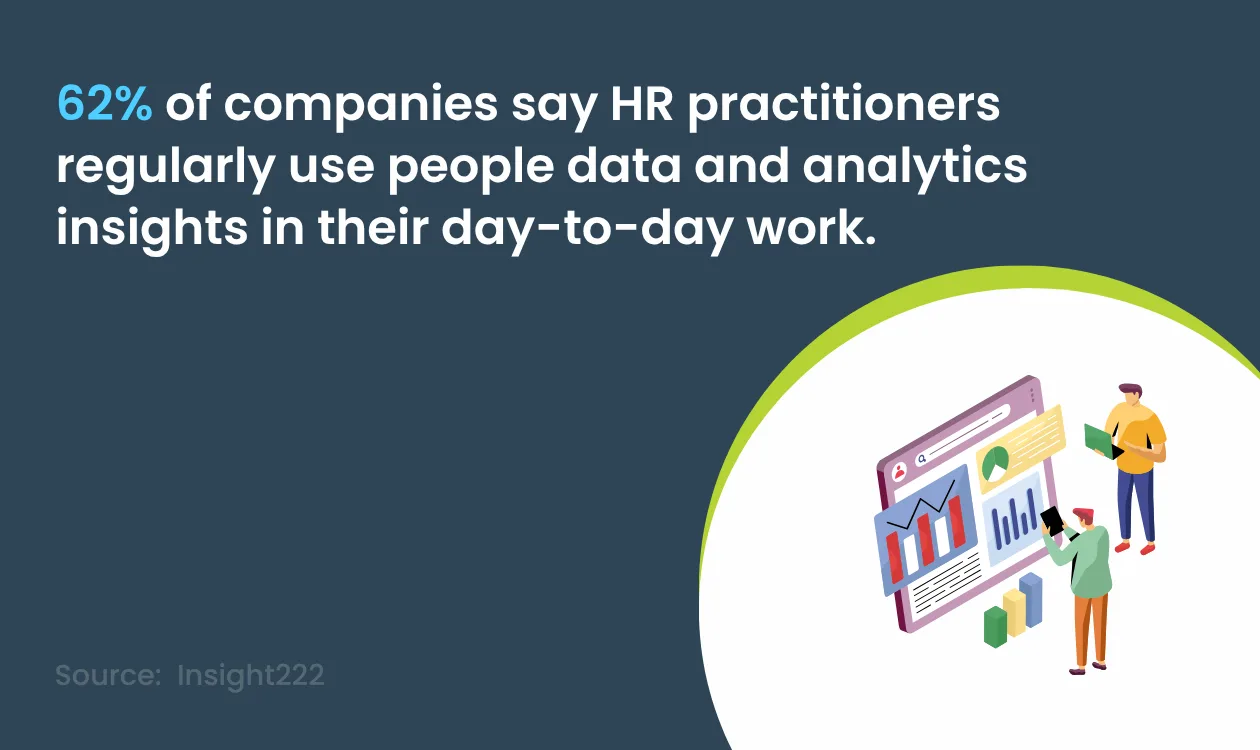
Insight222 research found that in 62% of companies, HR practitioners regularly use people data and analytics insights in their day-to-day jobs. This shows why data literacy is becoming an important skill for HR Generalists, HRBPs, and Talent Acquisition professionals.
Essential Skills for Recruiters and Talent Managers
Success in talent acquisition requires exceptional relationship-building abilities. You'll connect with passive candidates, negotiate offers, and collaborate with hiring managers across departments. Marketing sensibilities help you craft compelling job descriptions and employer brand messaging.
Data literacy becomes increasingly important as talent acquisition trends for 2026 emphasize metrics-driven decision-making. Those planning a talent acquisition career should prioritize sourcing analytics, ATS expertise, and candidate experience design.
Growth Trajectory and Future Roles
Talent acquisition career growth typically moves from Recruiter to Senior Recruiter, then Talent Acquisition Manager or Director. Some professionals specialize further in executive search, campus recruiting, or diversity hiring initiatives.
HRBP vs HR generalist: HR roles comparison
Side-by-Side Differences
In HRBP vs HR generalist comparisons, focus on scope, influence, and required expertise. HR generalists manage many operational tasks and provide broad support. HRBPs concentrate on aligning people strategy with business outcomes. The right choice depends on whether you prefer tactical variety or strategic depth.
Which Fits Your Strengths?
If you enjoy coaching leaders and shaping organization design, an HR business partner career may suit you. If you like solving varied employee issues and building broad HR knowledge, the generalist path is a strong fit. For people energized by hiring and employer brand, choose a talent acquisition career.
Comparing the Roles: Which HR Career Path Fits You?
Differences and Commonalities
All three paths require strong interpersonal skills and a genuine interest in helping people succeed. However, each emphasizes different strengths. Generalists thrive on variety, HRBPs excel at strategic thinking, and Talent Acquisition specialists shine in sales-oriented environments.
Consider whether you prefer depth or breadth. Do you want comprehensive knowledge across HR functions, or specialized expertise in one area? Choosing to deepen a specific HR specialization will shape your long-term opportunities.
Aligning Your Skills and Career Goals
Your ideal HR career roadmap matches your natural abilities with market opportunities. Self-reflection about what energizes versus drains you provides valuable guidance. Those wondering about AI's impact on HR roles should consider which paths offer the strongest long-term prospects.
Building Skills for Successful HR Careers
Soft Skills and Technical Skills
Every HR career roadmap demands emotional intelligence, conflict resolution abilities, and ethical judgment. Technical requirements vary by role but increasingly include HRIS proficiency, data visualization, and basic analytics capabilities.
Certifications and Training Opportunities
Professional certifications like SHRM-CP, PHR, or specialized talent acquisition credentials demonstrate commitment to your HR Career Path. Many employers value these qualifications when considering promotions.
How Emerging Trends Influence Skill Requirements
Technology reshapes HR skills development 2026 requirements continuously. Professionals who understand how AI enhances employee engagement position themselves ahead of peers who are still relying on outdated approaches.
Creating Your Personalized HR Career Roadmap
Steps to Plan Your Career Growth
Start by honestly assessing your current capabilities. Research HR job titles explained in detail to understand the requirements for roles that interest you. Identify gaps between where you are and where you want to be.
When choosing HR career track options, map specific skills to target roles. Create a short skills matrix listing technical tools, certifications, and leadership experiences needed for the next role on your HR Career Path. This practical mapping turns abstract goals into actionable steps.
Setting SMART Goals
Create specific, measurable objectives aligned with your chosen HR career roadmap. Rather than vaguely aspiring to "advance," target concrete milestones like completing a certification within six months or gaining experience in a new HR function within one year.
Identifying Vertical and Lateral Moves
Sometimes the best career advancement comes through sideways movement. A generalist might transition into talent acquisition to develop specialized skills before pursuing an HRBP role combining both experiences.
Leveraging Your Strengths and Filling Skill Gaps
Self-Assessment Methods
Regular reflection helps you recognize developing capabilities and persistent weaknesses. Seek feedback from colleagues and supervisors to gain external perspectives on your HR career roadmap progress.
Resources for Continuous Learning
Professional associations, online courses, and industry conferences support ongoing development. Those exploring modern HR career planning find abundant resources for building capabilities in emerging areas.
Final Tips for Thriving in Your HR Career Path
Staying Adaptable
The HR landscape evolves constantly. Professionals who embrace change rather than resist it advance faster. Your willingness to learn new technologies and approaches determines long-term success.
Networking and Mentorship
Connections with experienced HR leaders accelerate your growth. Seek mentors who've traveled the HR career roadmap you're considering. Their insights help you avoid pitfalls and recognize opportunities.
Embracing Technology and Data-Driven Practices
Modern HR demands comfort with analytics and technology. Whether you pursue a generalist, HRBP, or talent acquisition path, data literacy distinguishes exceptional professionals from average performers in today's competitive market.
Your HR Career Path unfolds through deliberate choices and consistent effort. By understanding your options and building relevant capabilities, you create opportunities for meaningful, rewarding work in this dynamic field.
Consider specializing as a deliberate move rather than an accident. An HR specialization in analytics, compensation, or talent acquisition can make you more promotable and future-proof your career as roles continue to split between strategic and technical functions.
Conclusion
Your HR career path should match your strengths, interests, and long-term goals. Whether you choose the broad role of an HR Generalist, the strategic impact of an HRBP, or the people-focused world of Talent Acquisition, each path offers strong growth opportunities. By understanding these options early and building future-ready HR skills, you can make smarter career decisions and grow confidently in the HR field.